

Food Festivals in the Americas You Should Attend
Did You Know? The Americas host over 3,000 food festivals annually, with Mexico alone celebrating more than 400 culinary events throughout the year. From maple syrup festivals in Vermont to cacao celebrations in Ecuador, these gatherings represent the incredible agricultural diversity spanning from Alaska to Argentina.
Honestly, there’s nothing quite like the intoxicating blend of sizzling street food, live music, and genuine cultural celebration that defines food festivals across the Americas. Having spent the better part of a decade chasing these culinary adventures—from the maple-scented mornings in Quebec to the chile-infused evenings in New Mexico—I can tell you that each festival offers something uniquely magical.
What strikes me most about food festivals in the Americas is how they serve as living museums of immigration, adaptation, and innovation. Take the Gilroy Garlic Festival in California, for instance. Sure, it’s about garlic, but it’s really about how Italian immigrants transformed a simple bulb into the foundation of an entire community’s identity1. These events aren’t just about eating; they’re about understanding the stories behind our food.
The diversity is absolutely staggering. Within a single weekend, you might find yourself sampling authentic barbacoa at a Mexican festival, then diving into poutine at a Canadian celebration, followed by ceviche at a Peruvian gathering. Each experience teaches you something new about the complex tapestry of flavors that define our continent.
Festival Season Planning Tip
Most food festivals in the Americas run from late spring through early fall, with peak season occurring between May and September. However, some of the most authentic experiences happen during off-peak months when locals celebrate traditional harvests and cultural holidays.North American Festival Highlights
Let me start with what I consider the crown jewel of North American food festivals: the Taste of Chicago. Running every July, this massive celebration transforms Grant Park into a culinary playground featuring over 70 restaurants3. What makes it special isn’t just the size—it’s the authentic representation of Chicago’s diverse neighborhoods. You’ll find everything from deep-dish pizza to Polish pierogi, reflecting the city’s rich immigrant history.
“Food festivals are where a city’s soul becomes tangible. They’re not just about eating; they’re about understanding the cultural DNA of a place through its flavors.”
The New Orleans Jazz & Heritage Festival deserves special mention, though I have to say it’s as much about the food as the music. Having attended three times now, I can tell you that the festival’s food booths are actually run by local restaurants and community organizations, not generic vendors. This means you’re getting authentic crawfish étouffee, not some watered-down tourist version. The soft-shell crab po’boys from Acme Oyster House are worth the trip alone.
| Festival | Location | Peak Season | Signature Experience |
|---|---|---|---|
| Taste of Chicago | Chicago, IL | July | Multi-neighborhood cuisine sampling |
| Maine Lobster Festival | Rockland, ME | August | Fresh lobster prepared 12 ways |
| Hatch Chile Festival | Hatch, NM | September | Roasted green chile tasting |
| Maple Syrup Festival | Various Quebec locations | March-April | Sugar shack experiences |
- Maine Lobster Festival (August): Over 20,000 pounds of lobster consumed annually
- Gilroy Garlic Festival (July): Features garlic in every dish, including garlic ice cream
- Hatch Chile Festival (September): Celebrates the harvest of New Mexico’s famous green chiles
- Poutine Festival (Various locations): Quebec’s comfort food gets its due recognition
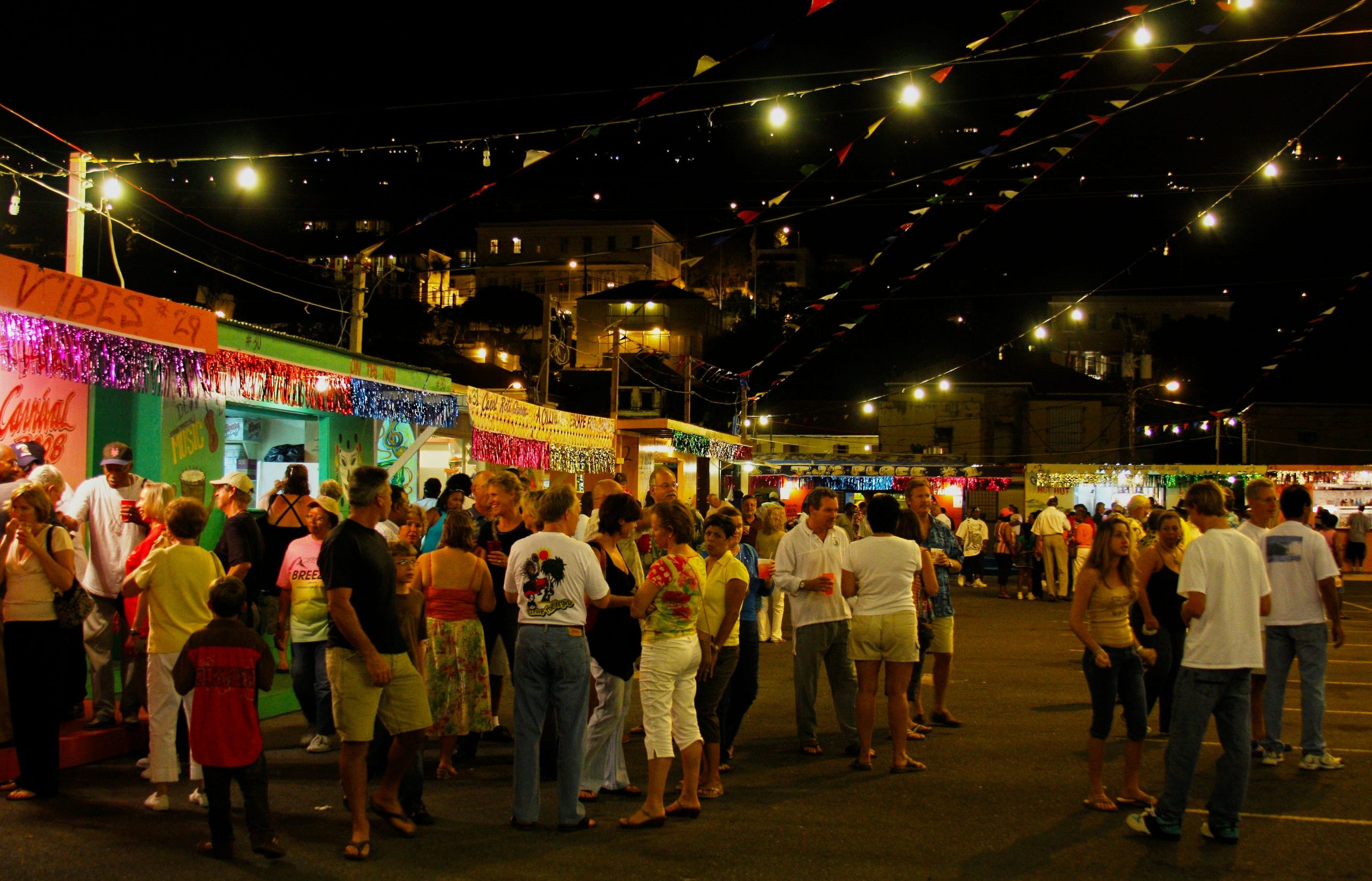
Central American and Caribbean Culinary Gems
The Festival Nacional del Maíz in Costa Rica completely changed my understanding of corn’s role in Central American cuisine. Held annually in Upala, this festival celebrates the grain that forms the foundation of so many regional dishes4. What struck me most was watching elderly women demonstrate traditional nixtamalization—the ancient process of treating corn with lime to create masa. You can taste the difference immediately in the tortillas, tamales, and other corn-based foods.Cultural Immersion Opportunity
Many Central American festivals offer hands-on cooking workshops where visitors can learn traditional techniques from local families. These experiences typically cost $15-25 and provide invaluable insight into regional food preparation methods passed down through generations.
“Caribbean food festivals are living libraries of resistance and adaptation. Every dish tells a story of survival, creativity, and cultural fusion that you simply can’t get from a cookbook.”
The Chocolate Festival in Grenada offers a unique perspective on one of the world’s most beloved ingredients. As someone who’s always been fascinated by the journey from bean to bar, I was amazed to participate in the traditional chocolate-making process. The festival includes plantation tours, fermentation demonstrations, and tastings that showcase how terroir affects chocolate flavor—something I’d never fully appreciated before.
- Festival Nacional del Maíz (Costa Rica) – September harvest celebration
- Barbados Food & Rum Festival – October culinary showcase
- Jamaica Restaurant Week – November island-wide dining event
- Grenada Chocolate Festival – May bean-to-bar experiences
South American Flavor Celebrations
South America’s food festivals operate on a completely different scale and intensity. The Mistura Festival in Lima, Peru, has become one of the world’s most important culinary events, attracting over 400,000 visitors annually5. What makes it extraordinary isn’t just the food—it’s the celebration of Peru’s incredible biodiversity. You’ll find ingredients here that exist nowhere else on Earth, prepared by both street vendors and world-renowned chefs. The festival’s “Mercado” section showcases Peru’s agricultural diversity with over 600 varieties of potatoes, 35 types of corn, and dozens of chile varieties. I spent an entire afternoon just in the potato section, learning about varieties I’d never heard of, each with distinct flavors and traditional uses. The ceviche demonstrations happen throughout the day, showing how this seemingly simple dish requires precise technique and incredibly fresh ingredients. Argentina’s Fiesta Nacional del Asado goes beyond barbecue into the realm of cultural ritual. The festival celebrates the country’s relationship with beef, but also lamb, goat, and other meats prepared using traditional gaucho techniques. What fascinated me most was learning about the social aspects of asado—how the cooking process brings communities together and maintains cultural traditions. Brazil’s Festival de Inverno de Campos do Jordão combines food with music and arts, creating an immersive cultural experience. The festival features regional specialties from different Brazilian states, allowing visitors to understand the country’s vast culinary diversity. From the seafood-focused cuisine of Bahia to the hearty meat dishes of Rio Grande do Sul, each region tells its story through food.Essential Festival Planning Guide
After attending dozens of food festivals across the Americas, I’ve developed a systematic approach to planning these trips. The key is understanding that food festivals aren’t just about eating—they’re cultural events that require some preparation to fully appreciate.Smart Festival Strategy
Arrive early and eat light beforehand. Most festivals offer sample-sized portions, allowing you to try 8-12 different dishes throughout the day. Bring cash—many vendors prefer it, and ATM lines can be lengthy during peak hours.Cultural Etiquette and Respect
Food festivals are cultural celebrations, not just eating opportunities. I’ve learned to research the cultural significance of featured foods and traditional preparation methods before attending. This preparation enhances your experience and shows respect for local traditions. Many festivals include religious or ceremonial elements that visitors should understand and respect. For example, some Mexican festivals begin with blessing ceremonies for the harvest, while certain Caribbean events incorporate ancestral food traditions that hold deep spiritual meaning for participants.Budget and Accessibility Planning
Food festivals offer exceptional value for culinary experiences. Most charge minimal entrance fees ($5-15), with individual food items ranging from $3-12. For a full day of sampling, budget $40-60 per person for food, plus accommodation and transportation costs. Consider staying in locally-owned accommodations during festival periods. Not only does this support the community, but local hosts often provide insider information about the best vendors, hidden gems, and cultural context that enhances your experience. The most rewarding food festivals combine authentic cuisine with cultural education and community involvement. These events preserve culinary traditions while supporting local economies and creating meaningful connections between visitors and local communities. Looking ahead, food festivals across the Americas continue evolving to emphasize sustainability, cultural preservation, and authentic representation. This evolution makes them increasingly valuable for travelers seeking genuine cultural experiences rather than superficial tourist attractions. Whether you’re drawn to the maple syrup traditions of Quebec, the chile harvest celebrations of New Mexico, or the chocolate heritage of Grenada, food festivals offer unparalleled opportunities to understand the cultural DNA of the Americas through its most fundamental expression: food.References



 English
  Spanish
  French
  Chinese
  German
  Arabic